My Child Has Anxiety: How Can I Help?
A child or teen who experiences their world with overwhelming, worrisome thoughts can have difficulty with a myriad of tasks: going to school, completing homework,…
Read More
You just want your child to be happy.
To grow, to flourish, to have friends and do well in school.
You thought you’d have a harmonious home and family life. That you’d be creating such happy memories together.
Yet lately, you’re not so sure your child is doing well, and your home life isn’t all you’d hoped it would be.
You see your child struggling, showing some new behaviors and are wondering, Is this normal? Is this just a phase? Am I imagining this, or is there really a problem? It’s getting a little harder to know…
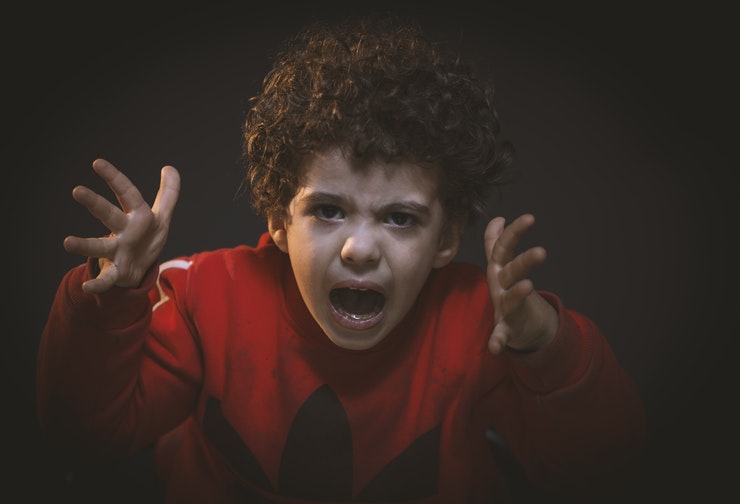
It’s so hard to watch your child go from the excited, happy kid she used to be to be to one who is withdrawn and quiet. Or one who is increasingly difficult, yelling and throwing things, having temper tantrums. To watch your previously strong, independent, and curious child become increasingly nervous and afraid to try new things.

Changes in behavior in children are incredibly common, but that doesn’t mean they are easy to manage or that parents will necessarily know what to do. When changes occur, you can really feel lost and alone. You might think you’re the only parent whose kid is struggling, or that it means you did something wrong. You feel worried, exhausted, and afraid of what this means and what might be coming next. And more than anything, you wish you had a roadmap on how to proceed. The array of emotions and the difficult choices you face end up being really overwhelming.
It’s heartbreaking to watch your child struggle or engage in difficult or confusing behaviors. The fact of the matter is that when a child shows a change in behavior, they are likely dealing with difficulty handling their feelings or emotions about what is going on in their life.
The first and most important thing to know is that whatever your child is struggling with, getting the help of an experienced child therapist is a smart move. Just like you’d seek the help of a physician for a medical problem, it’s similarly smart to seek the help of an experienced mental health professional should your child be struggling with new behavior or upset feelings. And doing so will help not only your child but help you as well. Wouldn’t it be great to feel less alone in all this and to have someone guide you along the way?
For example, if your child is acting out, refusing to follow directions, or not listening, that may be anxiety, not just a child being oppositional or difficult. You see, your child is trying to communicate something to you, but it may be hard to know just what it is they are trying to say, as she herself doesn’t know how to say it either. No wonder this is all so hard. Yet with the help of a skilled child therapist, you can learn what lies beneath the behavior change and learn how to best help your child, so she can move forward with the skills to be happy, make friends, and find success in school, in life, and in relationships with others.
It’s normal for children to worry from time to time. But when fear or anxiety begins to interfere with school, friendships, family life, or everyday activities, it may be time for additional support. If your child seems to worry constantly, avoids certain situations, or is often overwhelmed by fears, you’re not alone—and help is available.
Anxiety in children can show up in many different ways. Some children become quiet and withdrawn, while others become irritable, clingy, or have frequent meltdowns. Common signs of childhood anxiety include:
Our therapists provide compassionate, evidence-based child anxiety therapy tailored to your child’s unique needs. We help children understand their worries, build confidence, develop healthy coping skills, and gradually face fears in a supportive, encouraging environment. We also partner with parents to provide practical strategies that strengthen your child’s resilience at home and beyond.
It’s hard to watch your child get stuck in a cycle of worries and rituals. You may notice them washing their hands over and over, asking the same questions for reassurance, checking things repeatedly, or becoming very upset when things don’t feel “just right.” As a parent, you want to help—but it can be hard to know what’s normal and what may be signs of childhood OCD.
Obsessive-Compulsive Disorder (OCD) in children is an anxiety-related condition that causes unwanted, intrusive thoughts (obsessions) and repetitive behaviors or mental rituals (compulsions). Common child OCD symptoms include:
These behaviors aren’t attention-seeking or defiant—they’re your child’s way of trying to reduce overwhelming anxiety.
The good news is that OCD is highly treatable. With evidence-based therapy, including exposure and response prevention (ERP), children can learn to manage their anxiety, reduce compulsive behaviors, and regain confidence. Our therapists are extensively trained in working with OCD and work closely with both children and parents, providing practical tools and compassionate support so your child can get back to enjoying school, friendships, and family life.
When your child seems sad, withdrawn, or just not like themselves, you may wonder, Is my child depressed? Watching your child struggle can feel overwhelming, but you don’t have to navigate it alone. With the right support, children can learn healthy ways to cope and begin to feel like themselves again.
Depression in children often looks different than it does in adults. Common signs and symptoms of childhood depression include:
Our therapists provide compassionate, evidence-based child depression therapy in a safe and supportive environment. We help children understand their emotions, build healthy coping skills, and strengthen family relationships so they can regain confidence, resilience, and hope.
When your child is frequently angry, defiant, or having meltdowns, family life can quickly become exhausting. You may feel like you’re constantly arguing, walking on eggshells, or wondering, Why is my child acting this way? Beneath challenging behaviors, there is often something deeper going on, and understanding the “why” is the first step toward helping your child.
Children don’t always have the words to express difficult emotions. Instead, stress, anxiety, sadness, or frustration may come out as anger, tantrums, aggression, refusing to listen, or difficulty following directions. Child behavior therapy can help uncover what’s driving these behaviors while teaching healthier ways to cope and communicate.
Our therapists work with children and parents to build the skills needed for calmer, more connected family relationships. Through child counseling, your child can learn to:
Every child struggles sometimes, and challenging behavior doesn’t define who they are. With compassionate support and evidence-based child therapy, your family can better understand what’s behind the behaviors, strengthen your connection, and help your child thrive at home, at school, and in relationships.
You may also benefit from our three-session Behavior Management Training program for parents.

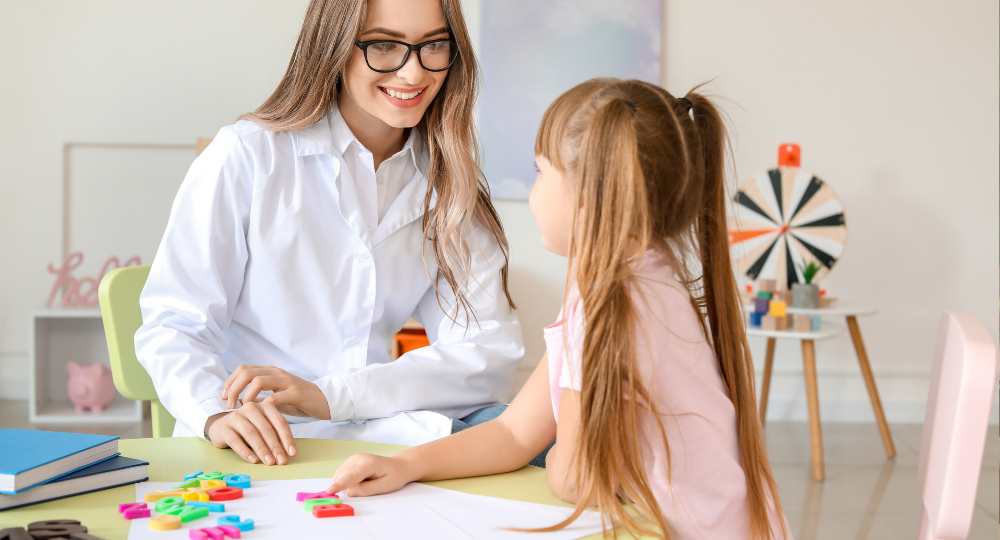
For younger children, we use play therapy and art therapy, which engage the child in activities to expand self-expression and self-awareness. Children don’t always have the ability to say what is stressful or anxiety-producing for them. Play is the natural language of the child, and toys are the words to help them describe what they are feeling and experiencing, allowing the therapist to help the child understand and resolve upset feelings, decrease negative behavior, and be well emotionally and have fun.
If your child is having temper tantrums, won’t accept limits or follow directions, has difficulty with transition times, or shows aggressive behavior, your patience is likely wearing thin and you probably could use some support and guidance. Our three-session behavior management training series is designed to help you regain control and learn effective strategies for managing challenging behaviors.
Give us a call at (630) 269-2886 to learn more. Click here to learn more about online therapy or here to schedule your first session.
Parents play a critical role in the success of child therapy, and we welcome your support and participation. We’ll work with you by giving you updates and sharing guidance and strategies to support your child’s growth outside of sessions.
All parents encounter difficulties with their kids, and it’s a sign of your love for your child as well as your openness and strength to seek out support. We congratulate you on taking this next step to start with child therapy… you’re doing great.
Every child is different. Some benefit from short-term support, while others may need more time. We’ll work together to determine what best meets your child’s needs.
Children often need support processing big life events such as divorce, grief, moving, illness, or family changes. Play therapy can be valuable in helping younger children process feelings and learn ways to cope.
Yes, therapy can help children manage emotions, improve social skills, build confidence, and develop strategies that support success at school and beyond.